 |
October is Safe Sleep Awareness Month
|
Unsafe sleep conditions are the number one leading cause of preventable death for healthy infants under the age of one in Monroe County. (University of Rochester Mt. Hope Family Center)
“On average, 10 babies die per year due to unsafe sleeping conditions,” said Trish Kalpin, Senior Caseworker on the CPS Impact Team. “It’s October, and we’re already at 10 infant fatalities in 2026.”
The CPS Impact Team is a specialized unit of the Monroe County Department of Human Services that investigates cases of serious physical abuse, sexual abuse, and fatalities. The unit is part of a larger multidisciplinary team that includes law enforcement, doctors, attorneys, mental health therapists, family advocates, and forensic interviewers from the Child Advocacy Center.
Kalpin and her casework supervisor are often a part of the investigative team that responds to the scene of a child fatality, along with law enforcement and other partnering agencies. They are frequently called upon outside of typical work hours to respond to the hospital or scene to gather critical information pertinent to investigations.
They are often responsible for interfacing with families in the aftermath of an infant/child being found unresponsive—witnesses to the devastating effects of unsafe sleep conditions.
|
|
 |
|
|
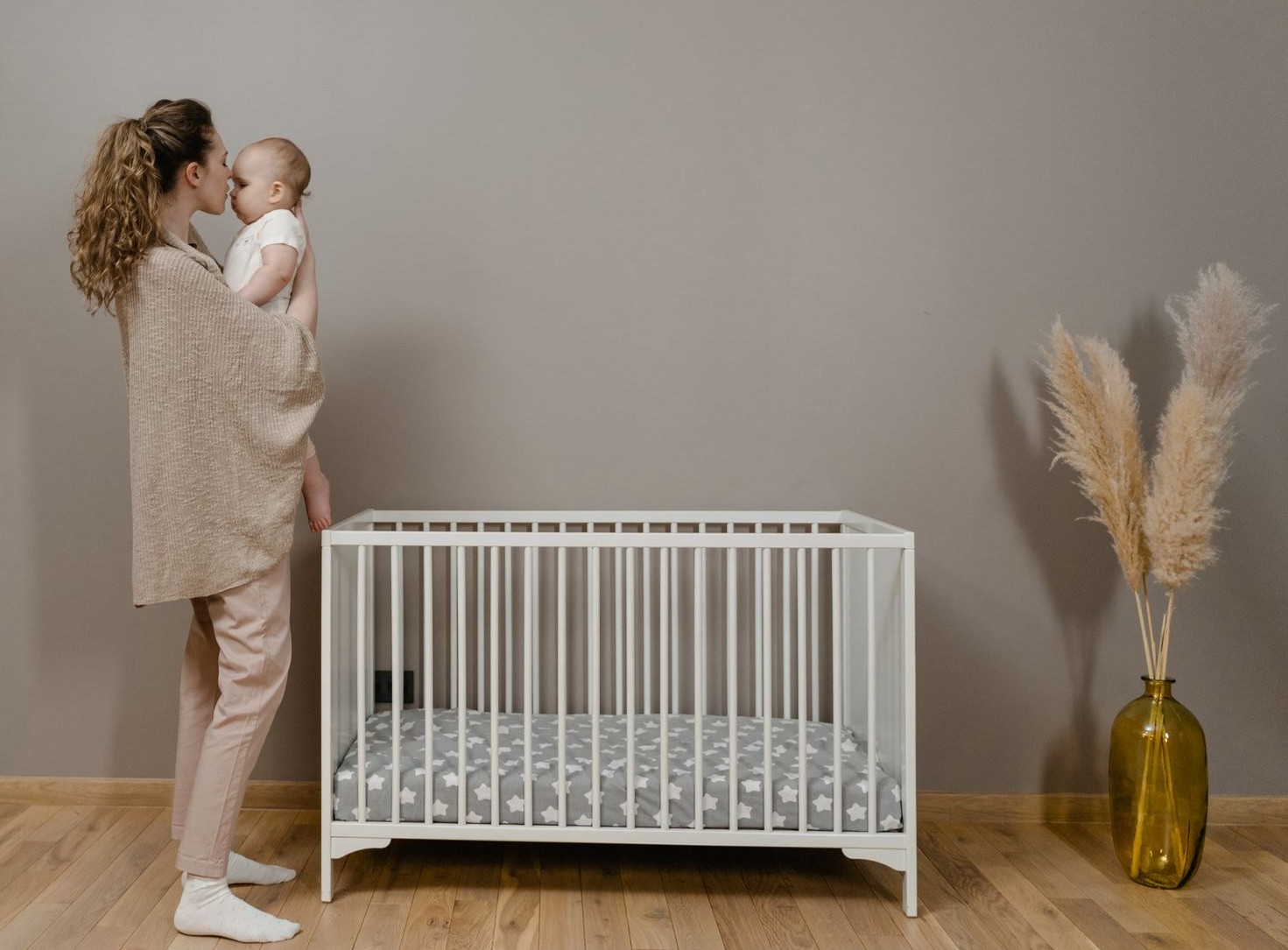
Babies should always sleep ALONE on their BACKS, in an approved CRIB or bassinet with no blankets, pillow, crib bumpers or toys, per the University of Rochester Mt. Hope Family Center. In August, the Mt. Hope Family Center assumed leadership of the former Baby Safe Sleep Coalition to strengthen coordination among healthcare providers, community organizations, and systems in educating the public about safe sleep practices.
“Infant mortality can happen to any family,” said Kalpin, who has worked on the Impact Team for almost a decade. “There is a higher risk for babies born prematurely or with underlying medical conditions, but it can happen to healthy babies too.”
Other risk factors contributing to infant mortality include parental impairment (substance use) and maternal smoking, but the use of blankets, pillows, bumpers or toys in the crib—or the lack of a crib—are risk factors that can be easily remedied.
“When meeting with a family (involved with CPS), we always discuss the ABCs of safe sleep,“ Kalpin said. She explained that it’s a regulatory requirement to assess sleeping arrangements for every child in the home when investigating cases of abuse or neglect.
|
|
|
Misconceptions of Safe Sleeping
|
|
Kalpin said she encounters different cultures and family beliefs when spreading the message about safe sleeping.
“If a family has raised other children with certain sleep practices, they feel it’s okay to continue,” she said, “so they don’t see the risk.”
But what Kalpin knows is that the rate of infant fatalities has doubled over the past decade, in part due to an increase in bed-sharing and the spread of unsafe sleeping tips on social media.
“There are mixed messages out there about safe sleep environments for infants,” said Kalpin. “It’s hard to understand why manufacturers are allowed to produce items like crib bumpers for sale, when they’re often the cause of positional asphyxiation in infant deaths.”
She said it’s important to understand the difference between co-sleeping and bed-sharing, and why one arrangement is beneficial while the other is harmful.
Co-sleeping involves the baby sleeping in the same room as the parent(s), but in a separate sleeping surface, such as a crib, bassinet, or co-sleeper. Room-sharing is recommended by the American Academy of Pediatrics as the safest way to co-sleep with your baby, as the close proximity facilitates breastfeeding and bonding.
Bed-sharing involves the baby sleeping on the same bed as the parent(s) or sharing the same sleeping surface. This practice is considered high risk for infant fatality due to the potential for suffocation, entrapment, or falling. The American Academy of Pediatrics (AAP) warns against sleeping in bed with your baby.
“Younger parents may make the mistake of bed-sharing due to extreme exhaustion when the baby has been up all night, which is easy to do,” said Kalpin. “We tell families to implement safe sleep practices any time the baby is going to sleep, even for a nap.”
|
|
|
|
“Every one of us has an opportunity and responsibility to educate our community,” Kalpin said. “One death is too many.”
She would like to improve how the safe sleep message is delivered to new parents, young parents, and parents with older children alike.
“The message is often missed or not understood, as we continue to see safe sleep practices not being implemented,” said Kalpin. “It shouldn’t be a one-time message after a baby is born. Any time a family has contact with a service provider is an opportunity to repeat the message about safe sleeping.”
Kalpin would like to see the message added to the curriculum of basic health classes and a campaign created for social media to combat the misinformation out there. She stressed that anyone who knows a family with an infant under the age of one could relay the ABCs of safe sleep or provide educational information.
“There are resources in our community to support families in accessing safe sleep information and items like a Pack ‘n Play. And don’t just stop with parents—tell grandparents, siblings, anyone who may come in contact with the baby,” she said. “It could save a life.”
|
|
|
|
|
|
|
|
|
|
|
|