 |
|
|
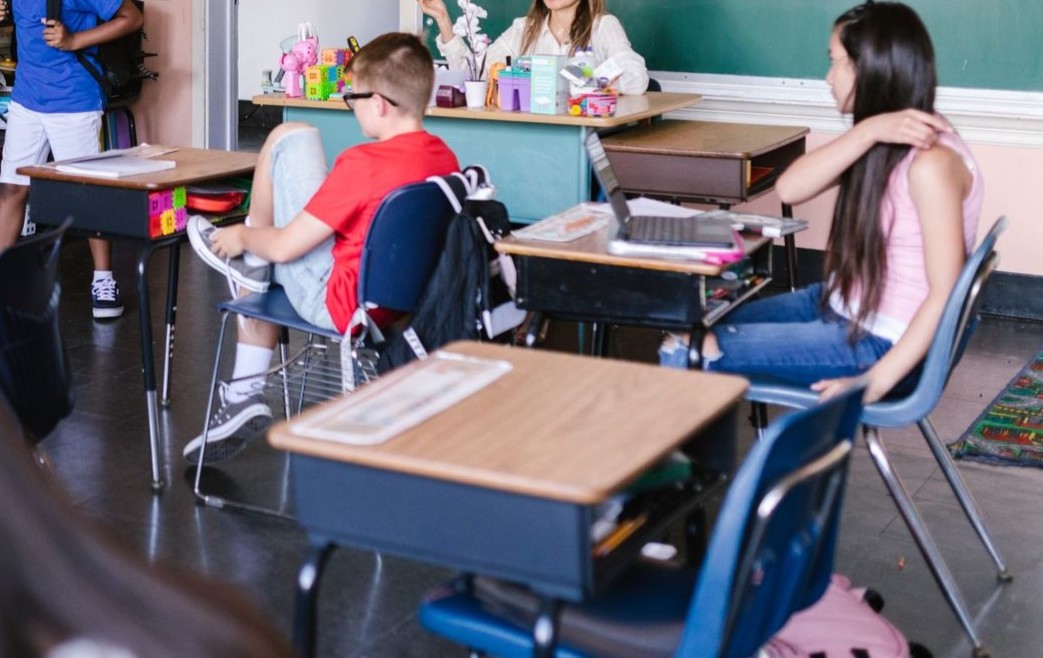
A child is not coming to school. Truancy is, of course, cause for concern for the well-being of a child. But does missing school warrant a call to the SCR to file a report of educational neglect? The answer depends on a number of factors.
Do you know the reason for the child’s absence from school? Is it a willful decision on the part of the child, is it failure on the part of the parent to act, or is the cause rooted in or driven by poverty, or is it something else?
A framework is being built to help school districts in Monroe County determine whether chronic absenteeism is remedied with services and support versus a CPS investigation for a family facing school attendance challenges.
|
|
 |
|
What is Educational Neglect?
|
|
Educational neglect is defined as the failure of a parent to ensure their child’s regular attendance in school or the keeping of a child out of school for impermissible reasons resulting in an adverse effect on the child’s educational progress. (NYS Office of Children and Family Services)
“Educational neglect is not just a certain number of absences,” said Stacy Hewitt, Casework Supervisor for Child Protective Services Investigations. “It’s also not a family refusing to provide information to the school about their child’s absences.”
In order for a report to be registered with the SCR, the reporter must provide information about excessive unexcused absences, negative impacts to the child affecting their academic success, and failure on the part of the parent or guardian to address these concerns.
Examples of such negative impacts include failing grades, or a child not in receipt of the services outlined in an IEP resulting in failure to make progress on their IEP goals.
“When a report is registered and CPS begins its investigation, the reporter will need to provide documentation showing the school’s efforts to address attendance, including phone calls, letters, home visits, and scheduled meetings with the family,” Hewitt said. “Additionally, CPS will need documentation from the school that confirms the negative impact absenteeism is having on the child’s academic progress.”
|
|
|
|
“Schools are typically our highest source of CPS reports, compared to other categories of mandated reporters,” said Julie Nichols, Administrative Caseworker for the Monroe County Department of Child and Family Services. “And roughly one-third of reports from schools are for educational neglect.”
Hewitt and Nichols stressed the importance of understanding the underlying conditions behind absenteeism and differentiating between child and parent behavior.
“For example, if a child has anxiety (causing that child to miss school), but the parent has connected the child to mental health services and is actively working with providers in the school to remedy the issue, that is not a reason to file a report with the SCR,” said Hewitt. “It may, however, warrant a modified schedule or referral to different services, like FACT (Family Access and Connection Team).”
Other barriers to regular school attendance may include lack of transportation/safety concerns for children expected to walk to school, bullying, or an expectation on the part of a working parent for an older child to provide care for younger siblings at home.
“Before making a call to the SCR, schools should be making diligent efforts to address attendance issues with the family,” said Nichols. “CPS is going to continue to build on those efforts, to uncover barriers and ultimately connect the child back to school and needed educational services.”
Hewitt wants school districts to have a better understanding of the role of CPS when it comes to pursuing cases of neglect. Conversely, it’s important for CPS to have a better understanding of schools’ regulatory processes as well.
“As mandated reporters, we support all the same families as the schools in our community,” she said.
|
|
|
|
In addition to her role at CPS, Hewitt also serves as lead on the Continuous Quality Improvement (CQI) work group project related to educational neglect in Monroe County. The CQI initiative uses data and a cycle of tracking to test interventions and refine solutions to chronic absenteeism.
“We are creating a tool for schools to assist them in determining what constitutes educational neglect,” said Hewitt. “It includes tips for success to ensure children attend school daily, and
a checklist of interventions the school should consider making prior to calling the SCR to initiate a report.”
The purpose of the CQI project is to create a blueprint to help mandated reporters distinguish when a situation equates to parental neglect and to clarify CPS’ role in addressing the situation.
“Our goal is to collaborate with school districts, to educate teachers, counselors, and social workers on community resources and supports that can be provided to families,” said Hewitt.
A brochure will be piloted with area school districts soon. In addition, districts will be provided a point person at CPS who can explain processes and procedures, track data, and discuss and troubleshoot questions and concerns that arise.
“We want to develop partnerships with schools and families, to help break down barriers and connect children back to their school districts,” Nichols said. “We want to address whatever concerns the family may be having that is preventing a child from attending school regularly.”
“It’s about remembering you don’t have to report a family to support a family,” she said.
|
|
|
|
Future goals for the CQI include meeting with each school district in Monroe County to distribute the brochure and have an open dialogue with feedback about support services.
“Our plan is to have a resource within CPS for training and support for each school district,” said Hewitt, “so they can reach out to address any concerns and ask questions when it comes to educational neglect.”
“Our mission is to support and educate,” Nichols said. “We need to understand each other’s roles and functions. We recognize that each school is different, has a different knowledge base about CPS and our role, and different knowledge about resources in the community.”
“Our missions are aligned,” Hewitt said. “We are all embedded in the community.”
|
|
| |
|
|
| |
Reminder that New York State law requires all certified educators and mandated reporters to complete an updated Mandated Reporter Training by November 17, 2026.
|
|
| |
|
|
|
|
|
|
|
|
|
|
|
|
|