 |
Honoring Youth: Fostering and Child Adoption
|
|
|
|
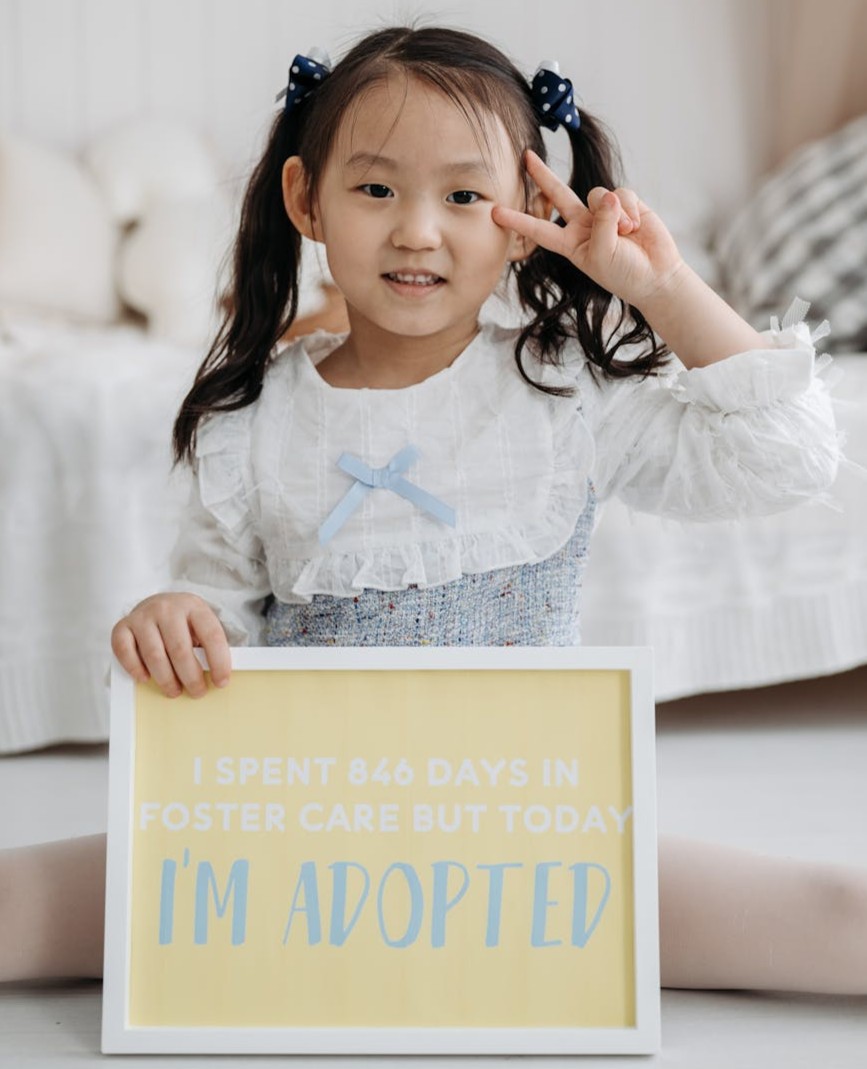
Across the US, nearly 109,000 children in foster care are waiting to be adopted. The average wait time for these children is about 3 years.*
In Monroe County, there are currently 356 children in foster care. Most will return home or to other caregivers. Only a small percentage are awaiting their ‘forever homes.’ The adoption process for these youth is administered by the Monroe County Adoption Team.
The goal for National Adoption Month this November is to bring awareness to the need for adoptive families for children (especially teens) in the foster care system. Three years is a long time to wait for a ‘forever family,’ but the value of lifelong connections is worth it.
*2022 data from the Adoption and Foster Care Analysis and Reporting System (AFCARS), which is managed by the Department of Health & Human Services, Administration for Children and Families, Children’s Bureau, and Child Welfare Information Gateway.
|
|
|
Strengthening Pathways for Lasting Bonds
|
|
“Adoption gives a child permanency, or what we refer to as a ‘forever family’ to share life and have experiences with,” said Colleen Cufari, Senior Caseworker for the Adoption Team, Monroe County Department of Human Services.
“Many of the kids placed in foster care have been removed from their biological families due to neglect,” she continued. “Adoption gives them a second chance at childhood and to grow up with someone to talk to, depend on and guide them to adulthood.”
The Monroe County Adoption Team works closely with children in need of an adoptive home to find a permanent family for each child. The team’s wide-ranging skills help adoptive families access the services needed to create a warm, loving, and permanent relationship.
“We celebrate adoption as a happy time for youth and their forever family, but it comes with the loss of their biological family,” said Heather Lynch, Casework Supervisor for the Adoption Team. “As the adoption date approaches, we have conversations around what the future holds for the family, post-adoption, when the county’s role is done and they’re parenting on their own.”
|
|
|
|
“Foster care is temporary, but adoption is forever,” said Lynch, “so it involves the legal process, not just casework.”
All youth on the Adoption Team have been “freed for adoption,” which means the child’s biological parents have legally relinquished their parental rights, making the child legally free for adoption.
Some children are surrendered involuntarily through a court-ordered termination of parental rights—usually due to neglect or abuse—that bars any future contact between the child and their biological parents.
Some children are surrendered voluntarily by parents who’ve signed a judicial surrender with conditions, allowing for specific ways that a biological parent can continue to receive letters, photos or a few visits after the adoption.
“Once a child matches with a family—whether through fostering or recruitment—an adoptive placement agreement is signed, and we begin the process of adoption,” Lynch said. “This includes updating all references and clearances during home visits between the adoption caseworker and the family. We also gather the child’s medical records. Many children will receive a subsidy, which provides a stipend and health insurance. Adoptive parents do need to hire an attorney, who will file a petition on their behalf. After the petition is filed, a report is submitted to the court, which includes a home study on the family and the child’s narrative describing their journey through the foster care system.”
|
|
|
Monroe County Adoption Team
|
|
“The goal of the Adoption Team is to provide timely permanency for youth who are on our unit,” said Lynch. “Each caseworker handles an average of 10-12 cases, with children ranging in age from 2 to 21.”
Lynch provides support and oversight to the currently 5.5 caseworkers on the team, in conjunction with Cufari. At any given time, they are serving approximately 70-75 kids, including some sibling groups.
“At 14, the child needs to consent to his/her own adoption,” Cufari said. “Our foster care youth often have mixed feelings about whether they need an adoptive family and can understandably feel conflicted about leaving their birth family.”
The team’s caseload is a mix of youth seeking adoption, some matched, some still recruiting for an adoptive family, and some working on adoption readiness.
“One of our challenges is finding resources for children with special needs,” said Lynch. “Most of our foster kids have special needs—whether trauma or mental health, and children with medical needs— which makes it harder to find an appropriate match.”
She explained that sometimes foster parents can’t provide a forever home, so the Adoption Team is always looking for those extra special people who have the resources to care for sibling groups and children with special needs.
|
|
|
|
“Youth have not entered the foster care system voluntarily,” said Cufari. “They’ve all been through trauma and have been living life in a system that can create more challenges, like confusion around their sense of belonging.”
She explained that adopted children often grapple with their sense of identity, questioning who they are, where they came from, where they’re going, and where they belong.
“Not all kids feel comfortable talking about it,” Lynch said, “so it often comes out in behaviors, if they’re not able to articulate their feelings.”
Adoption-competent therapists receive specialized training to address the complex and often nuanced mental health needs of children experiencing adoption, with a focus on the impact of grief and loss, trauma, attachment, and identity challenges.
“I wish our community had more adoption therapy providers,” said Cufari. “We see kids with developmental trauma, ADHD, and fetal alcohol syndrome. Parents often need additional support to meet the needs of these kids.”
Community supports for adoptive families include Regional Permanency Resource Centers and the Adoptive and Foster Family Coalition of New York. These resources strengthen families and prevent foster care dissolutions by connecting families with services like parent training, peer support, and referrals to counseling.
“Even if you’re not able to foster or adopt, just be aware that these families exist in our community,” Cufari said. “It’s a challenging road and everyone needs support along the way.”
|
|
|
|
|
|
|
|
|
|
|
|