 |
|
|
Based on indicated or substantiated reports to CPS, the National Child Abuse and Neglect Data System (NCANDS) estimates that over 12% of children in the United States will experience maltreatment, including physical abuse, sexual abuse, and child neglect, by age 18, (National Institutes of Health)
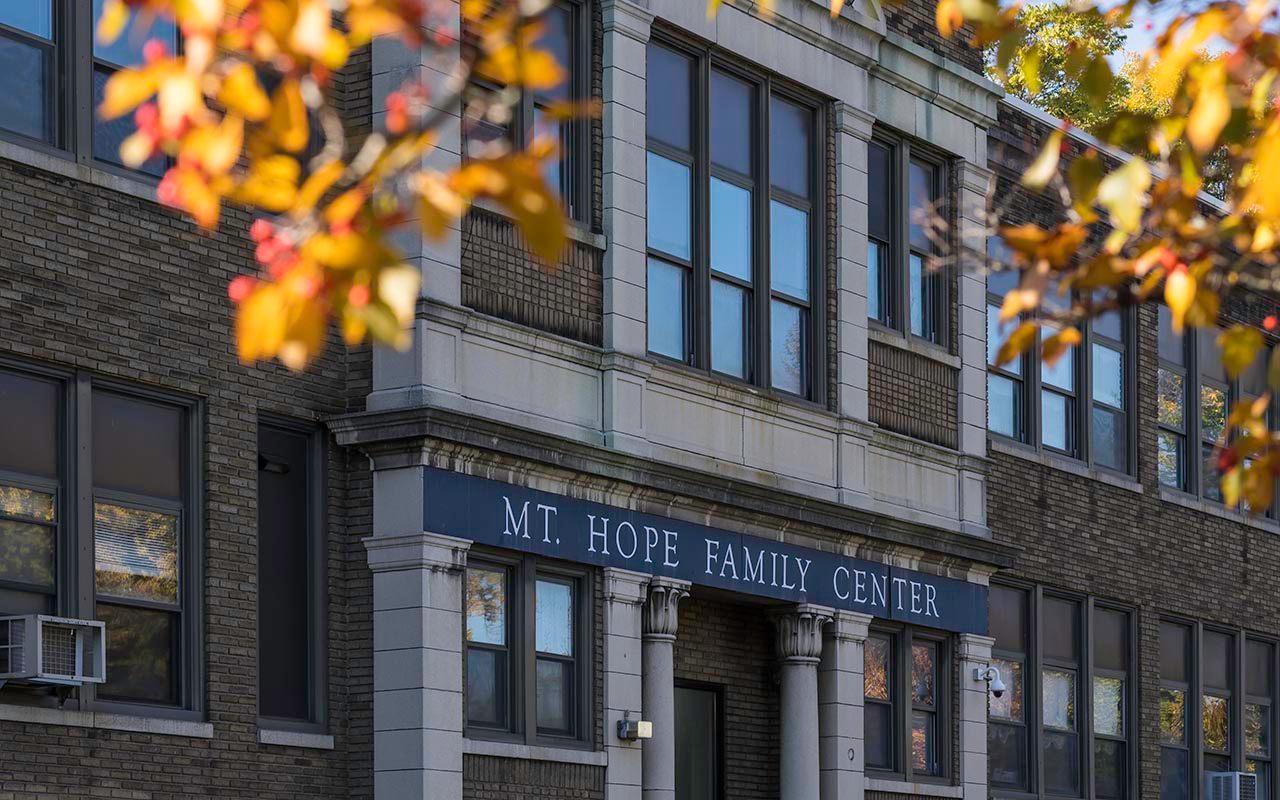
For over 45 years, the University of Rochester Mt. Hope Family Center (MHFC) has contracted with CPS to provide evidence-based trauma treatments for children who have been abused or neglected.
“We typically take on the highest risk cases,” said Dr. Jennie Noll, Executive Director of MHFC and Professor of Psychology at the University of Rochester. “We serve the Greater Rochester community with in-home treatment and support for children and families exposed to trauma.”
The MHFC offers several programs that address social and emotional development for youth, from pre-K through high school, in before-school, after-school, and summer therapeutic camp settings.
|
|
 |
|
|
“Mt. Hope Family Center operates as a community mental health center,” Dr. Noll said. “Our association with the university connects us to a powerhouse of research, making us a liaison to public health. We are also involved with writing policy briefs for child advocacy.”
“Because we are a part of the University of Rochester, we are unique compared to other provision centers,” said Jen Warmingham, Research Faculty at MHFC and Clinical Psychologist at the University of Rochester. “Mt. Hope Family Center is leading the research to identify how child maltreatment affects life span and intergenerational health.”
Active research studies on trauma intervention are federally funded through the National Institutes of Health. The MHFC has an operations budget of $8 million, half of which comes from federal research grants, while the other half comes from the county, foundations and philanthropic contributions.
“Our ongoing research informs our clinical services for how we intervene after trauma has occurred,” said Warmingham. “Our trauma approach is unique because our services and cutting-edge research all fall under one roof.”
In addition to research and clinical services, MHFC also provides training in the implementation of their evidence-based models and translates their research into policy and advocacy for children.
“We use ‘train the trainer’ models to mentor and educate the next generation of providers and researchers,” said Hannah Swerbenski, Ph.D., Postdoctoral Research Associate at the University of Rochester MHFC.
The MHFC employs 87 people, a mix of researchers, clinicians, administrators and faculty. Staff trains over 200 students, including 34 graduate-level trainees.
“While we are affiliated with the university, we are located in Corn Hill,” said Warmingham. “It’s important for us to be embedded in the Rochester community to remove barriers to care.”
Program referrals come directly from the Department of Human Services, the Rochester City School District and Greece Central School District.
|
|
|
|
Project STRONGER (Supporting Trauma Recovery Opportunities & Nurturing Growing Emotional Resilience) is a leading MHFC program with a particular emphasis on children exposed to child maltreatment, including interpersonal and community violence, and promotes policies that support trauma-informed care.
Depending on an individual’s needs, STRONGER provides several trauma treatments to children and their caregivers: Child-Parent Psychotherapy, Cognitive Behavioral Therapy, Interpersonal Psychotherapy for Adolescents, Trauma-Systems Therapy for Refugees, and Tuning Into Kids/Tuning Into Teens.
STRONGER partners with children and families across the Greater Rochester, NY area, including Monroe, Livingston, Ontario, Orleans, and Wayne counties.
|
|
|
|
Safe & Strong is a new research-based 1-hour online training program for parents and other adults to keep kids safe by preventing child sexual abuse and online exploitation.
“Safe & Strong is a primary child abuse prevention program,” said Dr. Noll. “It teaches parents about sexual abuse and how to spot it, including online grooming.”
In 2024, the county faced a high volume of unfounded CPS investigations, with 76% of 6,768 reports being unsubstantiated (The Children’s Agenda). The Safe & Strong online training program aims to reduce CPS investigations and increase accuracy of reporting. Safe & Strong is adapted from an evidence-based, in-person prevention program that has been shown to reduce the rates of both substantiated and unsubstantiated child sexual abuse reports (Noll et al., 2025), and also incorporates increased emphasis on children’s online safety.
“We are educating the public about what child sexual abuse is—and isn’t,” she said. “Lives and resources have been saved through this evidence-based program by not overwhelming the system.”
|
|
|
Building Healthy Communities
|
|
Building Healthy Communities (BHComm) is a free pregnancy support program for expectant parents in Monroe County. Funded by the Monroe County Department of Public Health, the program aims to reduce maternal and infant mortality.
“BHComm is a screening and intervention support program for young mothers,” Dr. Swerbenski said. “It is aimed at reaching more women in their transition to parenthood by supporting moms during pregnancy and through postpartum, when there is a greater risk for maternal and child health.”
BHComm builds off the Building Healthy Children (BHC) program, which was developed in partnership with the United Way and the Department of Health and Human Services. BHC is a home-based visitation program that offers support and information to expectant parents throughout pregnancy and during the first three years of their child’s life.
“Supports are out there for the transition to parenthood and we want to make them accessible for pregnant and postpartum women,” said Warmingham.
Through BHComm, a social worker and community health worker partner with pregnant moms across Monroe county to identify the services that best fit their needs.
“By creating relationships with these moms, we are able to provide referrals for care,” said Dr. Noll, “we are reducing stigma as we put the prevention piece in place.”
“We use evidence-based strategies, intervention and training to improve maternal health across the county,” said Dr. Swerbenski. “Prevention programs like BHComm keep children and their families from entering the child welfare system.”
|
|
|
|
The MHFC is also the new home for Baby Safe Sleep Coalition (BSSC), a Monroe County initiative that educates the public about safe sleep practices for infants.
According to the American Academy of Pediatrics, Sudden Unexpected Infant Death (SUID), which includes Sudden Infant Death Syndrome (SIDS), is the leading cause of injury and death in infancy.
“At BSSC, we talk to families about the ABCs of safe sleep, which stands for placing a baby Alone, on their Back, in a Crib,” said Dr. Noll. “We encourage providers to start conversations with families as we look to fulfill basic needs— like cribs, housing, connecting families with services in the community— to prevent tragedies from happening.”
|
|
|
Everyone’s Responsibility
|
|
“Protecting children is all of our responsibility,” said Dr. Noll. “As mandated reporters, we need to educate ourselves about what child abuse is and isn’t. We never want to discourage anyone from reporting, but we also don’t want to overwhelm the system with unsubstantiated claims.”
Today, evidence-based programs influenced by Mt. Hope Family Center are available in all 50 states and in 21 countries, including training and toolkits for obstetricians, pediatricians, gynecologists, law enforcement, and educators.
|
|
|
|
|
|
|
|
|
|
|
|